Low shower pressure? Causes and fixes that work
Low shower pressure is often a scaled-up shower head or a blocked filter, but it can be your hot water system. Simple checks first, then pumps and cylinders.
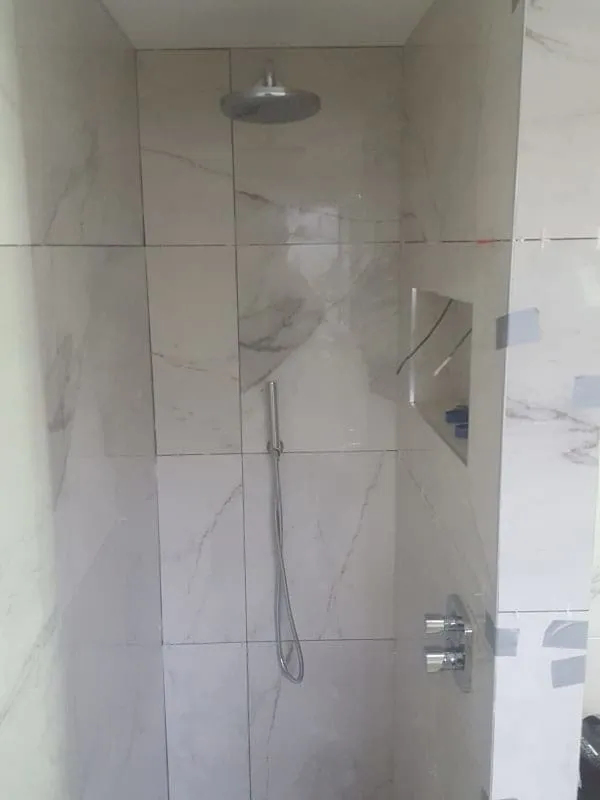
Low shower pressure is very often caused by limescale in the shower head or a blocked filter in the shower valve, and both are easy to sort yourself. If the shower has always been weak, though, the cause is usually the type of hot water system you have, and the fix is a pump, a new cylinder or a different shower. The checks below help you work out which.
Start by noticing when the problem happens. That one detail points to the cause faster than anything else.
What causes low shower pressure?
| What you notice | Likely cause |
|---|---|
| Pressure has dropped gradually over months | Limescale in the head, hose or valve filters |
| Only the shower is weak; taps are fine | Shower head, hose, valve or a partly closed isolation valve |
| Weak when someone else runs a tap or flushes | Not enough flow from the supply for two outlets at once |
| Hot is weak but cold is strong | Hot water side: tank-fed system, cylinder, combi flow rate or a hot side filter |
| Shower has always been weak upstairs | Gravity-fed system with not enough height from the tank |
| Every tap in the house has low pressure | Mains supply issue; see our guide to low water pressure |
Step 1: Descale the shower head and hose
London has hard water, and scale clogs the small holes in a shower head surprisingly quickly.
- Unscrew the head from the hose. Most turn anticlockwise by hand.
- Rub the rubber nozzles with your thumb to break off loose scale, if your head has them.
- Soak the head in a bowl of white vinegar or a diluted descaler for a few hours, or as the descaler instructions say.
- Rinse well, and run the shower without the head for a few seconds to flush out debris.
- Check the hose for kinks or a split inner lining. A cheap new hose is sometimes the whole fix.
If the flow is strong without the head and weak with it, you have found the problem. A new head is inexpensive.
Step 2: Check the valves and filters
- Isolation valves. Many showers have small isolation valves on the hot and cold supplies, often behind an access panel or under the bath. Make sure the slot lines up with the pipe, which means fully open. Someone may have half-closed one during an earlier job.
- Inlet filters. Thermostatic mixer valves usually have small mesh filters where the hot and cold pipes enter. When they block with scale or grit, flow drops, often on one side only. Cleaning them means isolating the water and removing the valve body or inlets, which is fine if you are confident, but a job for us if not.
- The thermostatic cartridge. A scaled-up cartridge can restrict flow or make the temperature unstable. It can often be cleaned or replaced without changing the whole valve.
Step 3: Understand your hot water system
If the checks above make no difference, the pressure is probably limited by how your home gets its hot water.
Gravity-fed systems
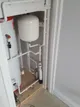
If you have a hot water cylinder in an airing cupboard and a cold water tank in the loft, your system is gravity-fed. The pressure at the shower depends on the height between the bottom of the loft tank and the shower head. In a bungalow, a loft conversion or a top-floor bathroom, there is very little height, so the shower will always be weak.
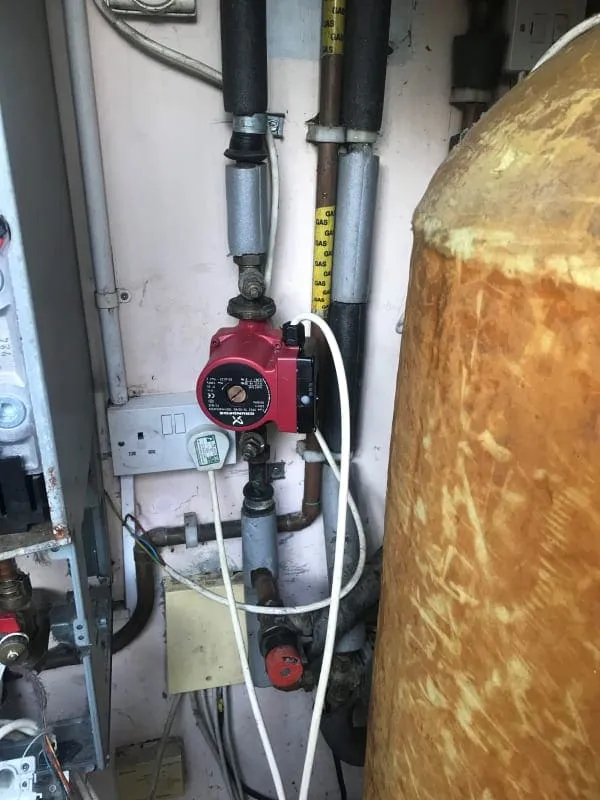
The usual fix is a shower pump, fitted near the cylinder, that boosts the flow from the tank to the shower. Pumps come in different types depending on whether you want to boost just the shower or the whole house, and they must be fed from the tank, not the mains. Our water pumps page covers the options.
Combi boilers
A combi heats water as it flows, so it is fed at mains pressure. But each combi can only heat so much water per minute, so a big rainfall head can feel weak, and running another hot tap at the same time will cut the flow. If the hot was strong and has slowly dropped, the heat exchanger may be scaling up, which is common in hard water areas. That is a job for a Gas Safe registered engineer.
Unvented cylinders
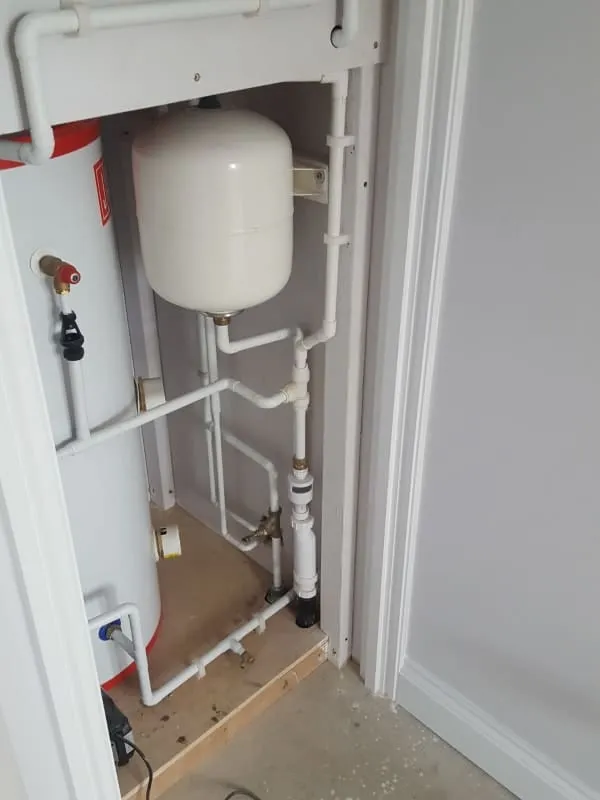
An unvented cylinder stores hot water at mains pressure, giving strong flow to several showers at once. If you have one and pressure is poor, the incoming mains may be weak, or the pressure reducing valve or line strainer on the cylinder may be blocked. These are safety-critical components and should only be worked on by an engineer qualified for unvented systems. Our guide to unvented cylinders explains how they work.
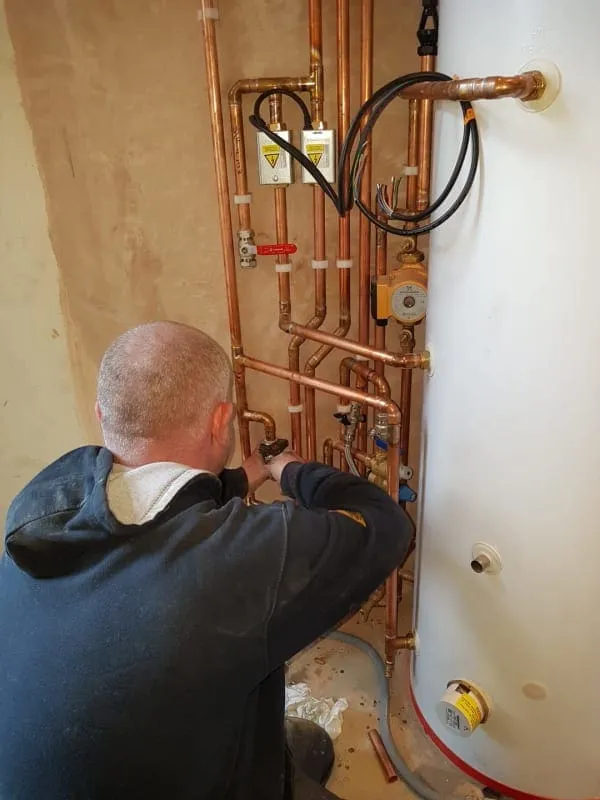
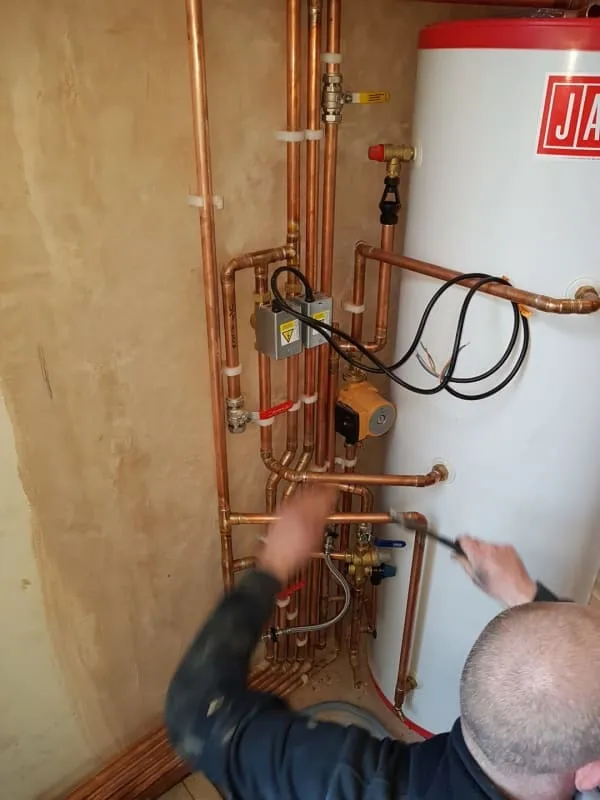
Upgrading from a gravity-fed system to an unvented cylinder can transform shower pressure, but only if your mains supply has enough pressure and flow to feed it, so that needs testing before one is recommended. See our hot water cylinders page for more.
Can I just fit a pump on any shower?
No. Pumps are the right answer for gravity-fed systems, but they should not be fitted to draw water directly from the mains supply, which the water fittings regulations do not allow without specific approval. They also should not be added to a combi or unvented system. If you are on mains pressure and the shower is weak, the fix lies elsewhere. If you are unsure, check with your water supplier or ask us.
Electric showers
An electric shower heats cold mains water as it passes through. Low flow usually comes from scale in the head or the unit, a failing solenoid, or the unit running at a lower flow so it can reach temperature in winter. Our post on electric vs mixer showers explains the difference in more detail.
When to call an engineer
- You have descaled the head and checked the valves, and the shower is still weak
- Only the hot side is weak and you have a combi boiler or unvented cylinder
- You want a pump fitted, or are thinking of moving to a mains pressure system
- The shower temperature swings, or it goes cold when someone uses another tap
Our labour rates are on the prices page: £120 an hour including VAT on weekdays from 8am to 5pm. Planned work such as a new cylinder comes with a free written quote. Call Lee on 020 8050 5913 to talk through your system. He can often tell from a short conversation whether it is a quick fix or a bigger upgrade, and there is no charge for the advice.
Stuck? Call Lee.
If you are not sure it is safe, stop and call. Advice by phone is free.
020 8050 5913