How to unblock a sink without chemicals
How to unblock a sink yourself without chemicals. Plunge it, clear the trap step by step, and stop fat building up in your kitchen sink again.
To unblock a sink, start with a plunger, and if that does not shift it, take off the trap under the sink and clean it out by hand. Between them, those two steps clear most blocked sinks without any chemicals and without calling anyone out. You need a bucket, a plunger, rubber gloves and about twenty minutes.
Kitchen and bathroom sinks block for different reasons, so it helps to know what you are likely to find.
Kitchen sink or bathroom sink?
| Kitchen sink | Bathroom basin | |
|---|---|---|
| Usual cause | Fat, oil and grease that set in the pipe, plus food scraps and coffee grounds | Hair, soap scum and toothpaste, held together by limescale |
| Where it builds up | The trap and further along the waste pipe | The plug hole, pop-up waste and trap |
| What works best | Plunging, then clearing the trap; hot water and washing-up liquid for soft grease | Pulling hair out of the plug hole, then clearing the trap |
In a bathroom basin, try the plug hole first. Remove the pop-up plug (most lift out or unscrew) and pull out any hair with a gloved finger or a cheap plastic drain hair-catcher strip. That alone often fixes a slow basin.
How to unblock a sink: step by step
1. Plunge it
- Bail out most of the standing water into a bucket, leaving enough to cover the plunger cup.
- Block the overflow. Push a wet cloth firmly into the overflow slot near the top of the sink. On a double kitchen sink, put the plug in the other bowl. Otherwise the pressure escapes through the gap and the plunger does nothing.
- Seat the plunger over the plug hole, push down gently, then pump firmly ten to fifteen times without breaking the seal.
- Pull it away sharply and see whether the water drains.
If it drains, run hot water for a minute to flush the pipe through. If not, move on to the trap.
2. Clear the trap
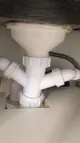
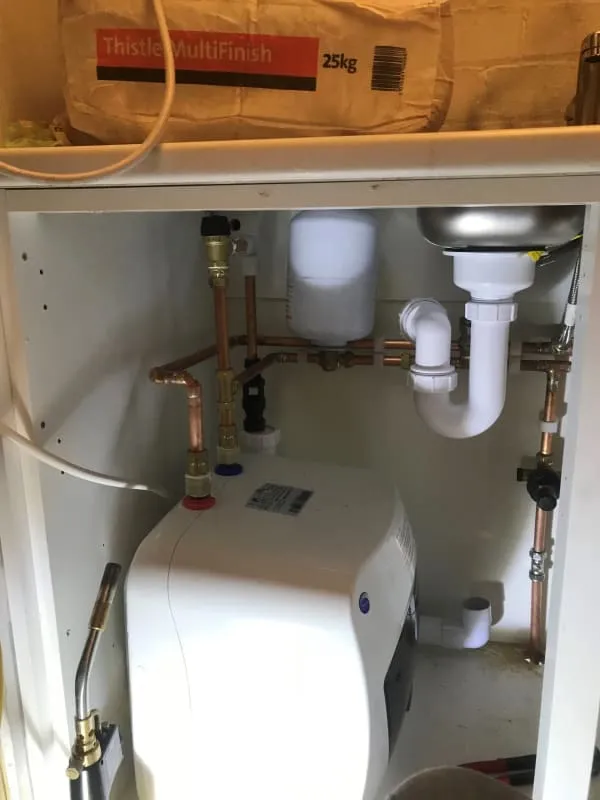
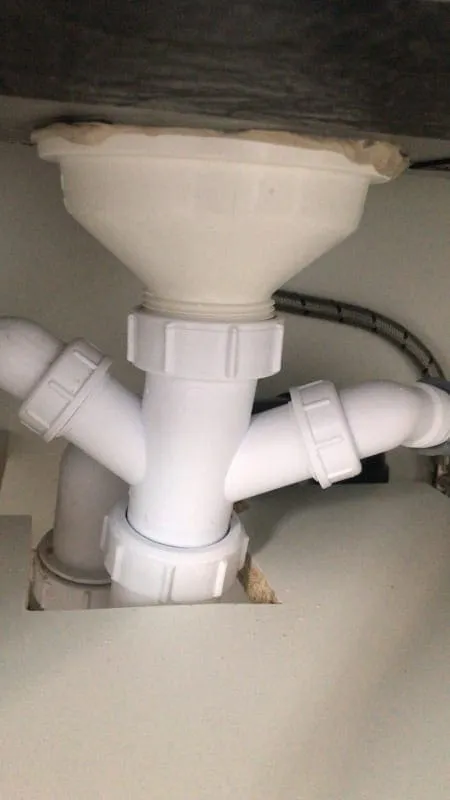
The trap is the U-shaped or bottle-shaped fitting directly under the plug hole. It holds a little water to stop drain smells coming back up, and it is where most blockages collect.
- Put a bucket underneath and lay a towel down. The trap is full of water and whatever is causing the blockage.
- Unscrew the trap. Plastic traps have large nuts you can usually turn by hand. Bottle traps have a base that unscrews. Turn anticlockwise, holding the pipe steady with your other hand.
- Empty and clean it. Tip the contents into the bucket and clean the inside with an old toothbrush or a bottle brush. Check the washers are in place and not split.
- Look along the waste pipe. With the trap off, you can see a short way into the pipe towards the wall. Clear anything you can reach.
- Refit the trap. Hand-tight is enough on plastic fittings. Over-tightening can crack them or squash the washers.
- Test it. Run the tap and watch the joints for drips for a minute or two.
If the sink still drains slowly with a clean trap, the blockage is further along the waste pipe. A small hand drain auger fed in through the pipe can reach it, or it may be in the outside gully where the pipe ends.
3. Check the outside gully
Kitchen waste pipes usually discharge into a gully outside, a small drain with a grid on top. Leaves, food and fat can block it. If it is full of water, clear it out with gloved hands (it is grim, but it works) and run the tap again.
Why we steer people away from chemical drain cleaners
Chemical drain unblockers are tempting, but we do not recommend them:
- They often fail on solid blockages and leave a pipe full of caustic water, which then has to be removed by hand.
- They can splash back and burn skin and eyes.
- Repeated use can damage older pipes, seals and the finish on some sinks.
- If you then call a plumber, they need to know it is there, so always tell us if you have used one.
For a soft grease blockage, a squeeze of washing-up liquid followed by a kettle of hot (not boiling) water is gentler and often just as effective. Boiling water can soften plastic waste pipes and joints.
How to stop fat blocking your kitchen sink
Fat, oil and grease go down the plug hole as a liquid and set solid as they cool in the pipe. Over time they trap food and build into a hard lining. The habits that prevent it are simple:
- Let fat from roasting tins and pans cool and set, then scrape it into the bin.
- Wipe greasy plates and pans with kitchen roll before washing them.
- Use a sink strainer to catch food scraps.
- Never pour cooking oil or coffee grounds down the sink.
- Give the trap a clean every few months if your sink tends to run slowly.
In London’s hard water, limescale also builds up inside waste pipes and gives grease something to cling to, so older pipework tends to block more often.
When to call an engineer
- The plunger and a clean trap have not fixed it
- More than one sink, bath or shower is blocked at the same time, which points to a blockage further down the drain
- Water is coming back up into the sink when another appliance drains, such as the washing machine or dishwasher
- The trap or waste pipe is cracked or leaking
- You have used a chemical cleaner and the sink is still full
We clear blocked sinks and blocked baths and showers across South and South West London and north Surrey. Our labour rates are on the prices page, starting at £120 an hour including VAT on weekdays from 8am to 5pm.
If your toilet is blocked as well, our guide on how to unblock a toilet will help you work out whether it is a wider drain problem. Otherwise, call Lee on 020 8050 5913. If he can talk you through it, there is no charge.
Stuck? Call Lee.
If you are not sure it is safe, stop and call. Advice by phone is free.
020 8050 5913