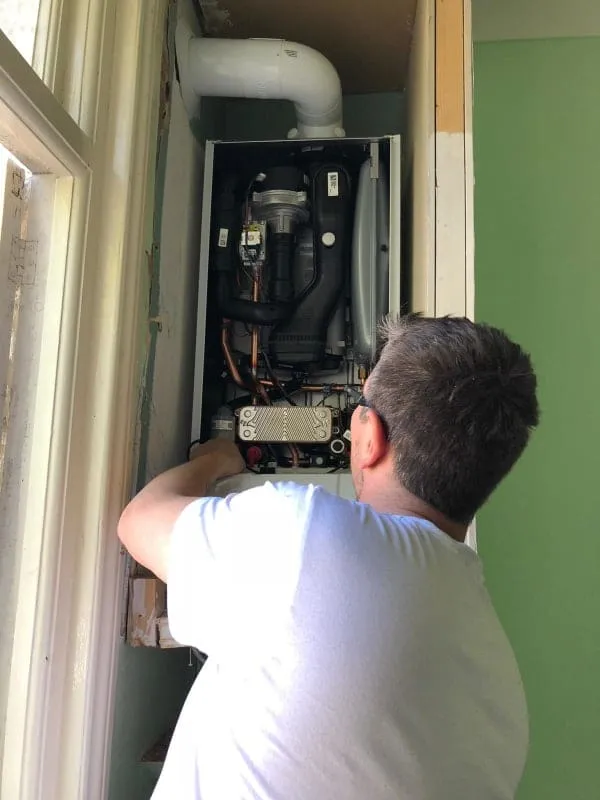
How long does a boiler last? Lifespan and warning signs
How long does a boiler last? Typically 10 to 15 years, but servicing, water quality and installation make a big difference. Signs it is near the end.
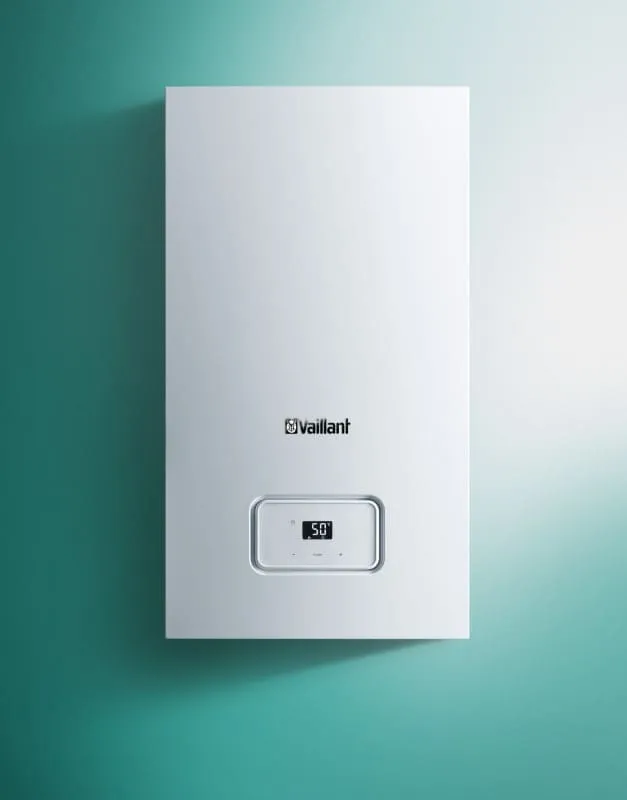
A gas boiler typically lasts somewhere around 10 to 15 years, but that is a rough guide rather than a rule. A well-installed, well-serviced boiler on a clean system can keep going longer, while a poorly fitted one on a sludgy system can struggle well before ten years.
How long yours lasts depends far more on how it has been looked after than on the date on the badge. Here is what makes the difference, and how to tell when a boiler is reaching the end.
How long does a boiler last on average?
There is no official lifespan figure, and it varies between makes, models and homes. The 10 to 15 year range is a common rule of thumb used across the trade, not a guarantee. Some boilers stay reliable well past that, and others need replacing much sooner.
A useful way to think about it: the boiler does not suddenly wear out on a birthday. Parts wear gradually, faults become more frequent, efficiency drops and, eventually, repairs stop making financial sense.
What affects how long a boiler lasts?
Annual servicing
This is the single biggest factor you control. A yearly service catches worn seals, blocked condensate traps, corroded parts and poor combustion before they cause damage elsewhere. Boilers that miss services tend to fail sooner and more expensively. See what a boiler service includes.
Water quality and sludge
Over time, heating systems collect sludge: rust and debris from radiators and pipes. It clogs the heat exchanger, makes the pump work harder and causes cold spots. London also has hard water, so limescale builds up in the hot water side of combi boilers. Both shorten a boiler’s life.
A magnetic filter, correct inhibitor in the system water and, where needed, a power flush help keep the water clean. Our guide to hard water and limescale explains the effect on boilers in more detail.
Installation quality
A boiler that is sized wrongly, fitted on a dirty system, piped badly or set up with the wrong settings will work harder than it needs to. Correct sizing, a clean system, sensible controls and proper commissioning give it the best start. We wrote about this in why professional boiler installation matters.
How hard it works
Boilers in larger homes, homes with lots of radiators, or homes with high flow temperatures all year round run harder. Lowering the boiler flow temperature where your system allows can help efficiency and reduce wear.
Make, model and parts availability
Some boilers simply have a better reliability record than others. And as boilers age, manufacturers may stop making certain parts. When a key part becomes hard to get, an older boiler can become uneconomic to repair even if the rest of it is fine.
Signs your boiler is near the end
| Sign | What it can mean |
|---|---|
| Breakdowns more than once a year | Parts are wearing out across the boiler |
| Repair quotes getting bigger | Major components such as the heat exchanger are failing |
| Parts hard to get or discontinued | Future repairs may be slow or impossible |
| Rising gas bills with no change in use | Efficiency is dropping |
| Pressure keeps falling | Internal leaks or worn components |
| Banging, kettling or loud noises | Limescale or sludge in the heat exchanger |
| Yellow flame, soot or fume smells | Possible unsafe combustion. Stop using it and call |
| Over 15 years old and not a modern condensing boiler | Likely far less efficient than current models |
One of these on its own does not mean you need a new boiler. Several together, on an older boiler, usually means it is time to start planning rather than waiting for it to fail in January.
Should you repair or replace an old boiler?
If a repair is small, the boiler is reliable otherwise and parts are available, repairing is often sensible. If the boiler is old, breaking down repeatedly and facing an expensive repair, replacing it can work out better over time. We go through how to weigh this up in our guide to whether to repair or replace your boiler.
It is always worth getting an honest opinion from an engineer who is not just trying to sell you a new boiler. Lee will tell you if a repair makes more sense.
How to make your boiler last longer
- Get it serviced every year by a Gas Safe registered engineer.
- Keep the pressure right, roughly 1 to 1.5 bar with the heating cold.
- Fit a magnetic filter if you do not have one, and have it cleaned at each service.
- Bleed radiators when they are cold at the top.
- Deal with small faults early rather than living with them.
- Protect the condensate pipe from freezing if it runs outside.
When to call an engineer
- Your boiler breaks down more than once in a winter
- You see a yellow or orange flame, soot marks, or your carbon monoxide alarm sounds. Leave, and call the National Gas Emergency Service on 0800 111 999
- You are weighing up a big repair on an older boiler and want a second opinion
For repairs, book a boiler repair. If you are thinking about a replacement, we give free written quotes for new boilers, and our installations come with up to 15 years warranty on boilers. See boiler installation or call Lee on 020 8050 5913 for free advice first.
Stuck? Call Lee.
If you are not sure it is safe, stop and call. Advice by phone is free.
020 8050 5913