Combi vs system boiler vs regular: which suits you?
Combi vs system boiler vs regular boiler explained, how each one heats your water, which homes suit each, and why mains pressure and hot water demand matter.
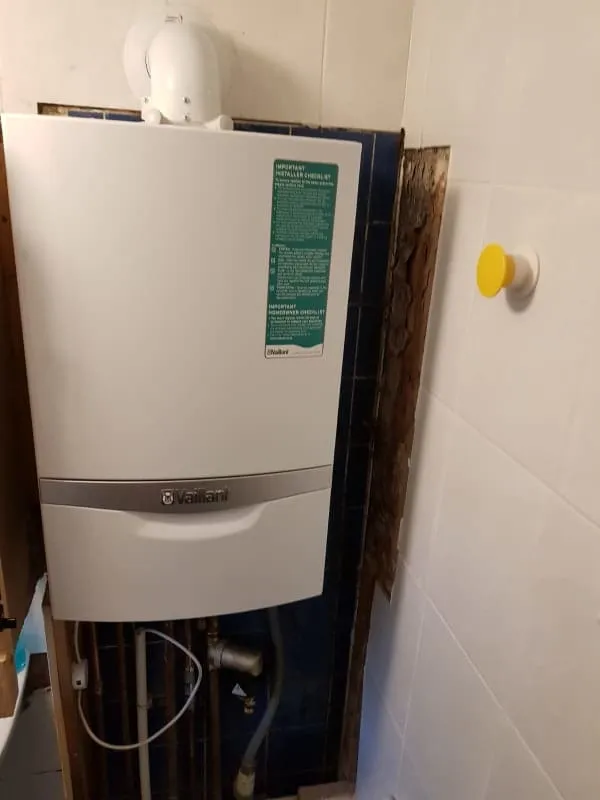
In the combi vs system boiler choice, a combi heats water on demand with no cylinder and suits most flats and smaller homes with one bathroom. A system boiler stores hot water in a cylinder and suits homes with two or more bathrooms where several taps or showers run at once. A regular boiler also uses a cylinder, plus tanks in the loft, and mainly makes sense in older homes with low mains pressure or where you want to keep the existing setup.
The right answer depends on how many people use hot water at the same time, how good your mains water pressure and flow are, and how much space you have.
How a combi boiler works
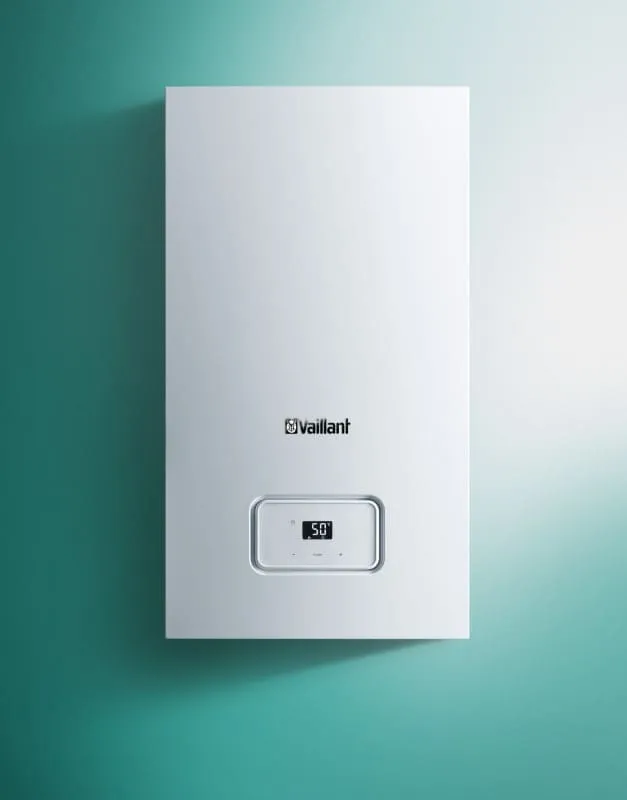
A combination boiler does two jobs in one box. It heats your radiators, and when you turn on a hot tap it switches over and heats mains water instantly as it passes through. There is no hot water cylinder and no tanks in the loft.
Good points: hot water whenever you want it, no waiting for a tank to heat up, frees up a cupboard, and usually the simplest and least disruptive to install.
Limits: it can only heat so much water at once. Run a shower and a kitchen tap together and both will drop in flow or temperature. Performance also depends on your incoming mains pressure and flow, because the combi uses mains water directly.
How a system boiler works
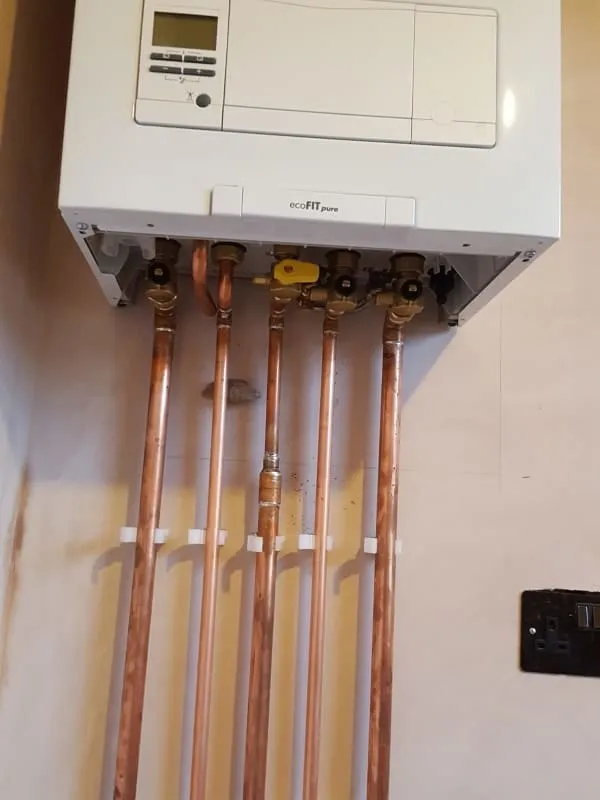
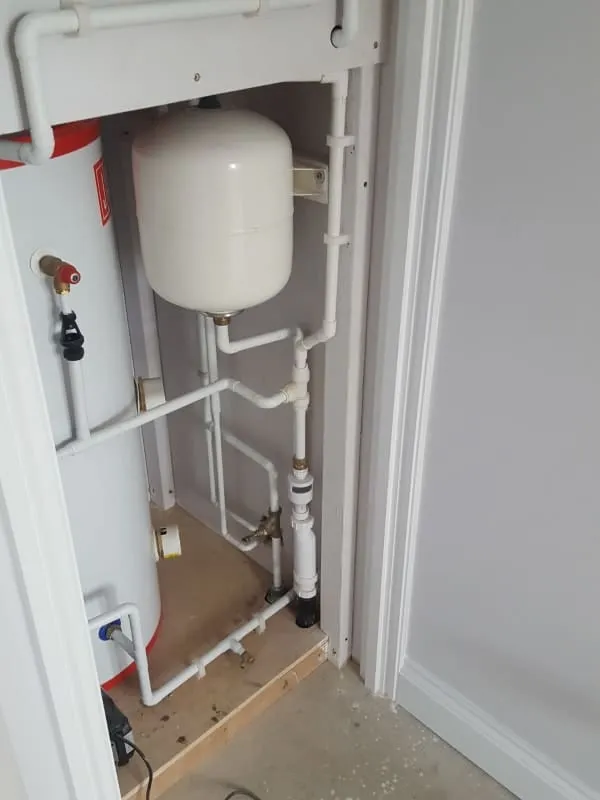
A system boiler heats your radiators and also heats a hot water cylinder, usually an unvented cylinder fed straight from the mains. The pump and expansion vessel are built into the boiler, so there are no tanks in the loft.
Good points: a full cylinder of hot water means several showers and taps can run at once at mains pressure. It suits larger households and homes with more than one bathroom.
Limits: you need space for the cylinder, the hot water can run out if the cylinder is too small, and it takes time to reheat. An unvented cylinder also needs an annual safety check. Our guide to the unvented cylinder explains how they work.
How a regular boiler works
A regular boiler, also called a heat-only or conventional boiler, heats radiators and a hot water cylinder like a system boiler. The difference is that it works with a cold water storage tank and a small feed and expansion tank, usually in the loft. Water reaches the taps by gravity, so pressure depends on how high the tank sits.
Good points: it works well where mains pressure is poor, it can suit older pipework that might not cope with higher pressure, and replacing like for like avoids major changes.
Limits: lower water pressure on upper floors, tanks taking up loft space, and more parts to maintain. Many owners take the chance to convert when the old boiler is replaced.
Combi vs system boiler vs regular: side by side
| Combi | System | Regular | |
|---|---|---|---|
| Hot water cylinder | No | Yes | Yes |
| Tanks in the loft | No | No | Yes |
| Hot water supply | On demand, from the mains | Stored, usually at mains pressure | Stored, gravity-fed |
| Several taps at once | Limited | Good | Fair |
| Space needed | Least | Cupboard for cylinder | Cylinder plus loft tanks |
| Best for | Flats and smaller homes, one bathroom | Larger homes, two or more bathrooms | Older homes, poor mains pressure |
| Backup if the boiler fails | None for hot water | Immersion heater, if fitted | Immersion heater, if fitted |
| Works with solar or a heat pump later | Less easily | Yes | Yes |
Which homes suit each type?
A combi usually suits: one-bathroom flats and houses, couples and small families, homes without a spare cupboard, and London conversions where every bit of space counts.
A system boiler usually suits: family homes with two or more bathrooms, households where morning showers overlap, and anyone planning to add solar thermal or a heat pump in future, since both need a cylinder.
A regular boiler usually suits: period properties with tanks already in place and weak mains pressure, or homes where the existing pipework is not ready for mains-pressure hot water.
Mains pressure and flow matter most
Before anyone recommends a combi or an unvented cylinder, they should test your incoming mains pressure and flow rate. Both need decent pressure and enough flow to work properly. In some London streets, especially older properties with a narrow or lead supply pipe, the flow is too low for a combi to serve two outlets well. Our post on low water pressure covers the common causes. We check this on every survey rather than assume.
Hot water demand: think about your busiest ten minutes
The question is not how much hot water you use in a day, it is how much you use at the same time. If two showers run together most mornings, a combi will struggle however big it is. If it is rarely more than one tap at a time, a combi is often the easiest and most economical choice.
Switching from one type to another
Converting is common. Moving from a regular boiler to a combi frees up the loft and the airing cupboard. Moving from a combi to a system boiler gives a busier household more hot water. Both involve more work than a straight swap, which affects the price, as our guide to new boiler cost explains.
When to talk to an engineer
Every home is different, so if you are unsure, ask before you buy. We test the water supply, look at your current system and talk through how you use hot water, then recommend one option with the reasons.
Book a survey and free written quote through our boiler installation page, or call Lee on 020 8050 5913 for a quick chat about which type is likely to suit your home.
Stuck? Call Lee.
If you are not sure it is safe, stop and call. Advice by phone is free.
020 8050 5913