Signs of carbon monoxide: symptoms, alarms, what to do
Signs of carbon monoxide include headaches, dizziness and nausea that ease when you leave home. Learn the warning signs, where to fit alarms and what to do.
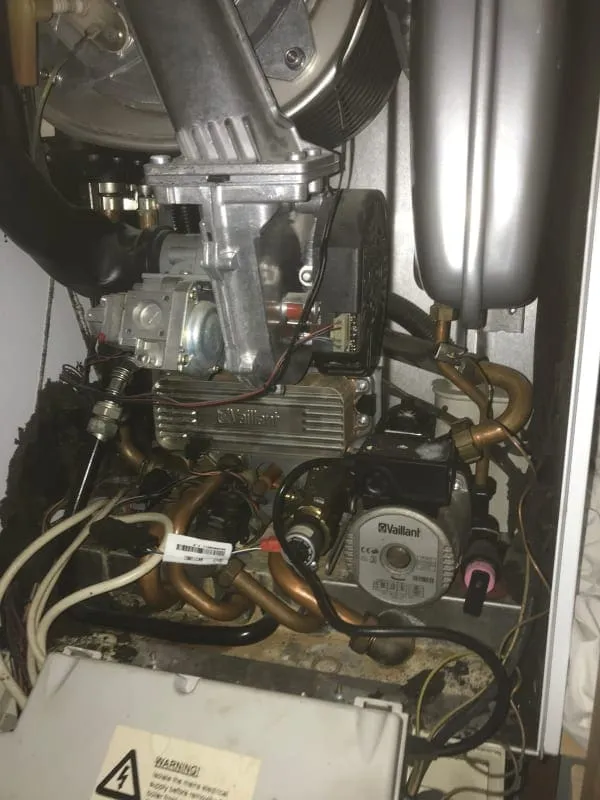
The main signs of carbon monoxide poisoning are headaches, dizziness, nausea, tiredness, confusion and breathlessness, especially when they ease after you leave the house. If you suspect carbon monoxide, get everyone out into fresh air, call the National Gas Emergency Service on 0800 111 999 and get medical help.
Carbon monoxide (CO) has no colour, smell or taste. You cannot rely on noticing it, which is why a working CO alarm matters so much.
What is carbon monoxide?
Carbon monoxide is a poisonous gas produced when fuels such as gas, oil, coal and wood do not burn completely. A boiler, gas fire, cooker or wood burner that is faulty, badly fitted, poorly ventilated or has a blocked flue or chimney can release it into your home. It stops your blood carrying oxygen properly, and at high levels it can kill quickly.
Signs of carbon monoxide poisoning
Symptoms can be mild at first and easy to mistake for flu or a hangover. Watch for:
- Headache, often the first sign
- Dizziness
- Feeling or being sick
- Tiredness and confusion
- Stomach pain
- Shortness of breath or difficulty breathing
Higher exposure can cause loss of balance, vision problems, chest pain, seizures and loss of consciousness.
Patterns can be a clue too:
- Symptoms get better when you are away from home and return when you come back
- Several people in the house feel unwell at the same time
- Pets become ill or lethargic
- Symptoms are worse in rooms with a gas appliance, or when the heating is on
For full medical guidance, see the NHS page on carbon monoxide poisoning.
Warning signs on your appliances
Your boiler, fire or cooker can also show signs that something is wrong:
| Warning sign | What to look for |
|---|---|
| Flame colour | A lazy yellow or orange flame instead of a crisp blue one |
| Staining | Black, brown or sooty marks on or around the appliance |
| Pilot light | A pilot light that keeps going out |
| Condensation | More condensation than usual on windows in the room |
| Smoke | Smoke building up in the room from a fire or flue |
| Boiler behaviour | Repeated lockouts or flue fault codes |
If you see any of these, stop using the appliance and have it checked by a Gas Safe registered engineer. Do not try to adjust the flame or open the appliance yourself.
What to do if you suspect carbon monoxide
- Get fresh air immediately. Open doors and windows.
- Turn off the appliance if you can do so safely and quickly.
- Leave the property and do not go back in until it has been made safe.
- Call the National Gas Emergency Service on 0800 111 999. The line is free and open 24 hours a day.
- Get medical help. Call NHS 111, or 999 if someone is seriously ill, has collapsed or is struggling to breathe. Tell them you suspect carbon monoxide.
- Do not use the appliance again until a Gas Safe registered engineer has inspected it and confirmed it is safe.
If you also smell gas, follow our guide on what to do if you smell gas.
Carbon monoxide alarms: what to buy and where to fit them
A CO alarm is cheap and can save your life. Smoke alarms do not detect carbon monoxide, so you need a separate CO alarm or a combined unit designed to detect both.
What to buy
Choose an audible alarm that meets the European standard EN 50291 and carries a recognised safety mark such as the British Kitemark. Avoid “black spot” detectors that only change colour, because they do not wake you up.
Where to fit them
- In every room with a fuel-burning appliance, such as a boiler, gas fire or wood burner
- In bedrooms or close to where people sleep
- Positioned exactly as the manufacturer’s instructions say. Distance from the appliance and height on the wall or ceiling matter, so check the leaflet
Do not fit an alarm in a cupboard, behind furniture, directly above a cooker or sink, or next to a window, door or extractor fan where draughts can affect it.
Testing and replacing
- Press the test button every month.
- Replace the batteries when the alarm warns you, if it has replaceable ones.
- Check the replace-by date. CO sensors do not last forever. The alarm will show a date or start chirping at the end of its life.
Carbon monoxide alarms in rented homes
In England, since 1 October 2022, private and social landlords must fit a carbon monoxide alarm in any room used as living accommodation that has a fixed combustion appliance, such as a boiler or wood burner. Gas cookers are not included. Landlords must also repair or replace alarms once told they are faulty. Rules differ in Scotland, Wales and Northern Ireland and may change, so check GOV.UK or your local government website for the current requirements. Our guide to landlord heating responsibilities covers the wider duties.
How to prevent carbon monoxide
- Have your boiler and gas appliances serviced every year by a Gas Safe registered engineer
- Keep vents, air bricks and flues clear
- Never cover a boiler flue outside
- Sweep chimneys regularly if you burn wood or coal
- Never use a barbecue or generator indoors
- Only ever use a Gas Safe registered engineer for gas work. You can check an engineer is Gas Safe before they start
When to call an engineer
Call a Gas Safe engineer if you have noticed any appliance warning sign, your CO alarm has gone off, or your appliance has not been checked for over a year. If you have symptoms or your alarm is sounding now, call 0800 111 999 first.
We are Gas Safe registered (no. 617872) and offer a 24/7 emergency call-out, 365 days a year. For non-emergency checks, book a gas leak repair or safety check, or call Lee on 020 8050 5913 for free advice.
Stuck? Call Lee.
If you are not sure it is safe, stop and call. Advice by phone is free.
020 8050 5913